Step-by-Step Guide: Building an Analytical Dashboard in SAP Data Sphere Using Sales Order Data

Introduction: In today’s data-driven world, having real-time insights at your fingertips is crucial for making informed business decisions. SAP Data Sphere is a cloud-based solution designed to integrate, model, and analyze data from various sources. In this blog, I’ll show you how to set up a trial account for SAP Data Sphere and create a […]

Continue reading


CDS Abstract Entity and ABAP RESTful Application Programming Model: Input parameter modelling

1. Using Abstract Entities for Non-Standard RAP BO Operations. This short overview of abstract entities concept in the context of non-standard RAP business object operations. It outlines their purpose, advantages, and implementation strategies, emphasizing their role in enhancing modularity and flexibility in data modeling. Purpose Abstract entities are Core Data Services (CDS) constructs specifically designed […]

Continue reading


Step-by-Step Guide to Data Migration Cockpit in SAP S/4HANA Public Cloud

What is the Data Migration Cockpit? The Data Migration Cockpit is an SAP Fiori-based application designed to simplify and manage the migration of both master data and transactional data into SAP S/4HANA Public Cloud during system implementation. It provides a structured, user-friendly interface with the following key capabilities: With the Data Migration Cockpit, businesses can […]

Continue reading


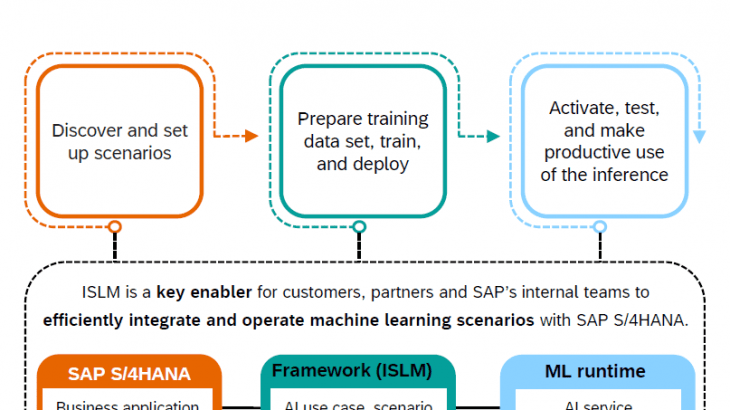
A Comprehensive Overview of Intelligent Scenario Lifecycle Management (ISLM)

Artificial Intelligence, SAP Predictive Analytics, SAP BTP, SAP Fiori for SAP S/4HANA

Artificial Intelligence (AI) plays a significant role in various aspects of SAP’s software offerings, enhancing functionality, efficiency, and decision-making capabilities across different business processes. With SAP’s overarching goal to empower organizations to leverage all the technology that they are offering for increased intelligence, SAP has introduced Intelligent Scenario Lifecycle Management (ISLM). In this blog series, […]

Continue reading